
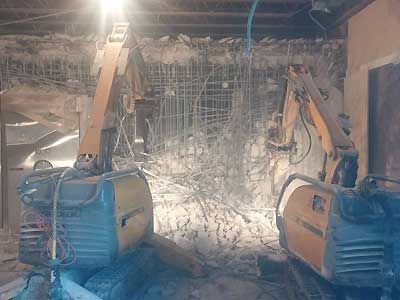
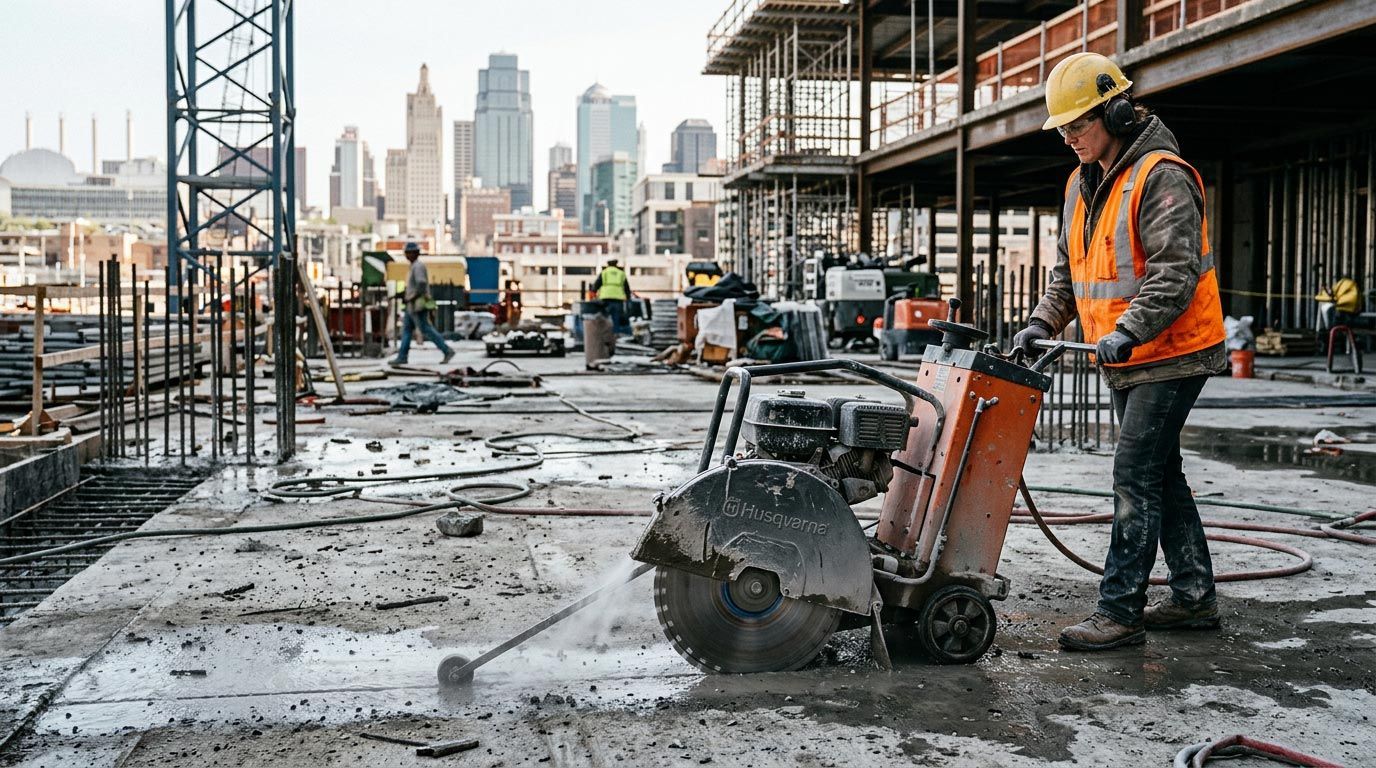
Navigating Commercial Concrete Modifications in Modern Construction Commercial building across the Kansas City metropolitan area is moving at a rapid pace. Between infrastructure upgrades, transit expansions, and major commercial renovations, general contractors face tight deadlines and complex jobsite challenges. When updating existing slabs, adding utility lines, or creating structural openings, choosing the right concrete cutting approach makes all the difference in project safety and timeline execution. Concrete saw cutting is the controlled mechanical process of sawing, coring, or removing portions of cured or green concrete without damaging surrounding structural elements. Using diamond-tipped blades and specialized saws, trained operators create clean openings for plumbing trenches, electrical conduits, doorway expansions, and expansion joints. Executive Summary Modern commercial renovations and infrastructure projects across Kansas City require controlled concrete cutting to modify slabs and structures safely. Utilizing diamond blades, wet-cutting systems, and ground-penetrating radar prevents unexpected structural damage and utility strikes. Partnering with an experienced specialty contractor ensures accurate project execution, tight schedule adherence, and full OSHA compliance. Key Takeaways for Project Managers Select the Right Method Early: Match slab sawing, core drilling, or wall sawing directly to the depth, layout, and structural load demands of your Kansas City project. Prioritize Pre-Cut Utility Scanning: Always conduct Ground Penetrating Radar (GPR) before making cuts to map rebar, post-tension cables, and live electrical conduits. Enforce OSHA Silica Standards: Require continuous wet-cutting water feed systems and high-efficiency dust management to maintain clean air and meet worker safety requirements. Key Questions Answered What is concrete saw cutting? A controlled specialty construction process using diamond-tipped saws to cut structural openings, utility trenches, or expansion joints in reinforced concrete. When is slab sawing preferred? Slab sawing is ideal for horizontal flat surfaces such as warehouse floors, bridge decks, and highway pavement requiring trenches or section removals. The Mechanics Behind Concrete Saw Operations Understanding how a professional concrete saw cuts through reinforced stone and steel helps project teams plan efficient schedules. Unlike wood or metal blades that shear through material, diamond blades work through micro-abrasion. Industrial diamond crystals embedded in a metallic matrix grind through aggregate and rebar under high rotational torque. As the blade spins, the matrix slowly wears away, exposing fresh diamond edges to maintain cutting efficiency. Water feeds continuously flush away slurry and keep temperatures down, preventing blade warping and dangerous airborne crystalline silica clouds. For dry cutting or interior occupied buildings, dedicated HEPA extraction units capture fine dust at the source. Core Concrete Cutting Methods in Practice Every commercial jobsite presents unique physical constraints. A deep foundation cut requires different machinery than a shallow decorative control joint. Below is a breakdown of common cutting approaches utilized across commercial projects. 1. Slab Sawing (Flat Sawing) Slab saws, often referred to as flat saws, feature circular blades mounted on rigid walk-behind or ride-on chassis. Powered by electric, diesel, or hydraulic motors, flat saws cut horizontal concrete slabs, asphalt pavement, airport runways, and bridge surfaces. Contractors rely on slab sawing to open trenches for underground plumbing, mechanical piping, and electrical raceways. 2. Core Drilling Core drilling creates clean, round holes through concrete walls, floors, and ceilings. Diamond core bits range from small fractional diameters up to multi-foot openings for HVAC ducts, structural anchors, and plumbing penetrations. Because core drilling produces minimal vibration, it maintains the structural integrity of surrounding reinforced concrete. 3. Wall Sawing and Wire Sawing When vertical concrete walls, foundation footings, or precast panels need clean cuts for doorways, windows, or ventilation louvers, track-mounted wall saws provide straight lines. For massive concrete structures where blade reach is limited, diamond wire sawing threads continuous abrasive wire through heavy sections, slicing through thick mass concrete smoothly. 4. Robotic Brokk Demolition In confined spaces or structural removal projects where traditional heavy excavators cannot operate safely, remote-controlled Brokk demolition machines provide powerful breaking capability. Operators control the machine from a safe distance, reducing operator fatigue and jobsite hazards.
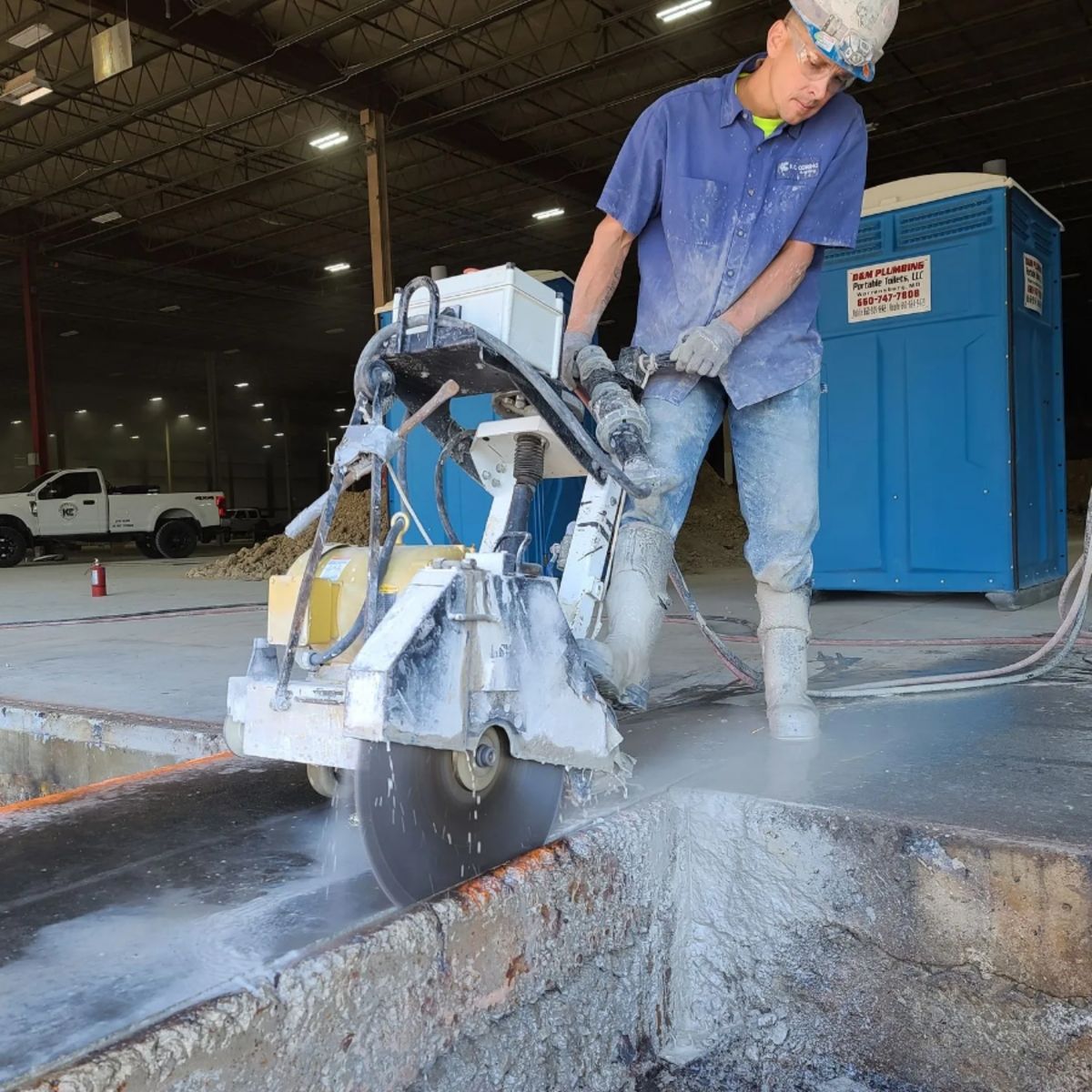
Learn how concrete slab sawing supports site prep, layout, and demo scheduling for contractors across Kansas City. Get the details before your next project.