KC CORING & CUTTING SERVICES

47 Years Strong  •  Safety Driven  •  Built on Integrity

YOUR GO-TO RESOURCE FOR CORING & CUTTING

From infrastructure upgrades to occupied-building projects, our latest blogs dive into the methods, technology, and insights shaping the future of concrete cutting and coring.

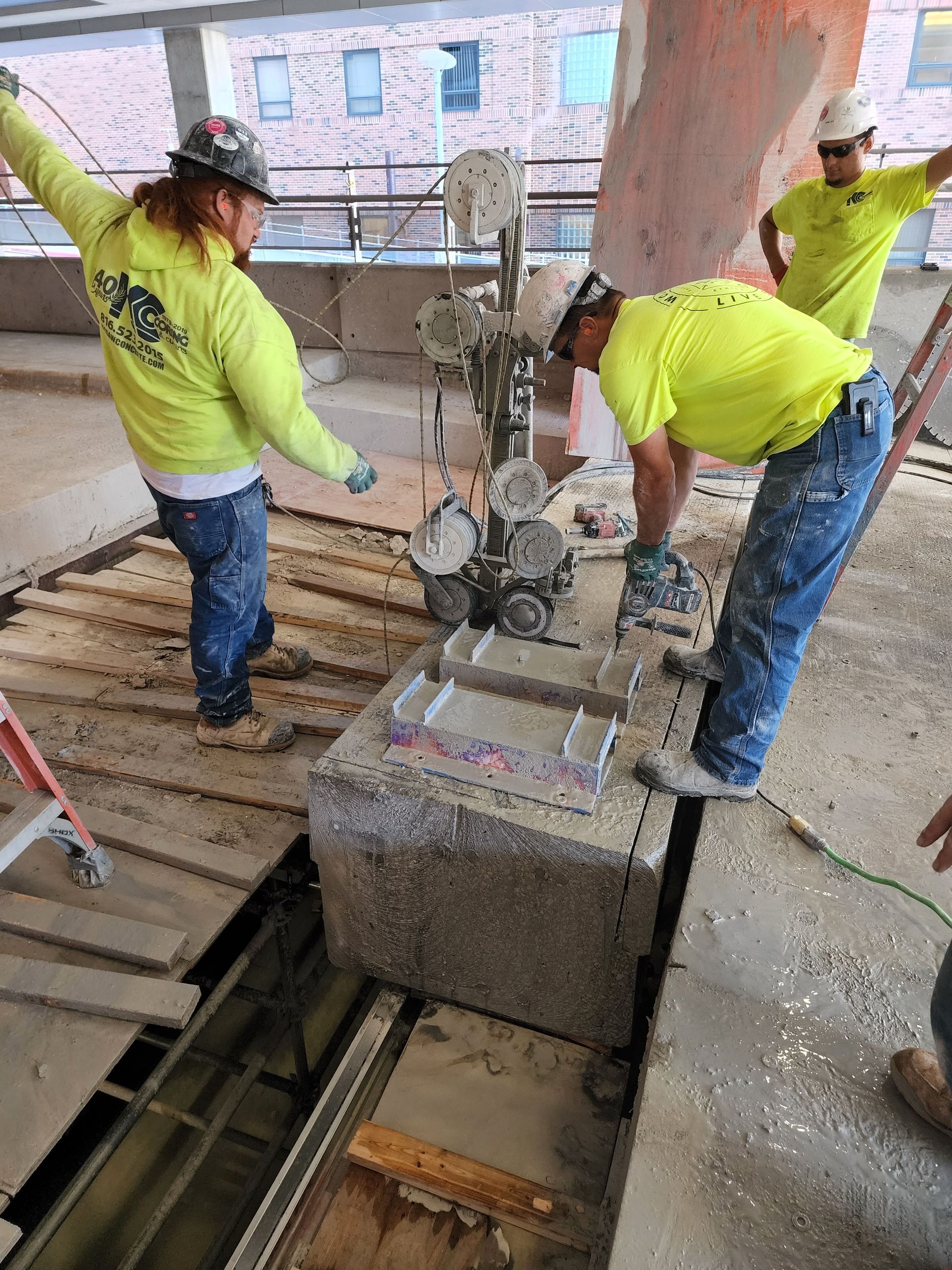
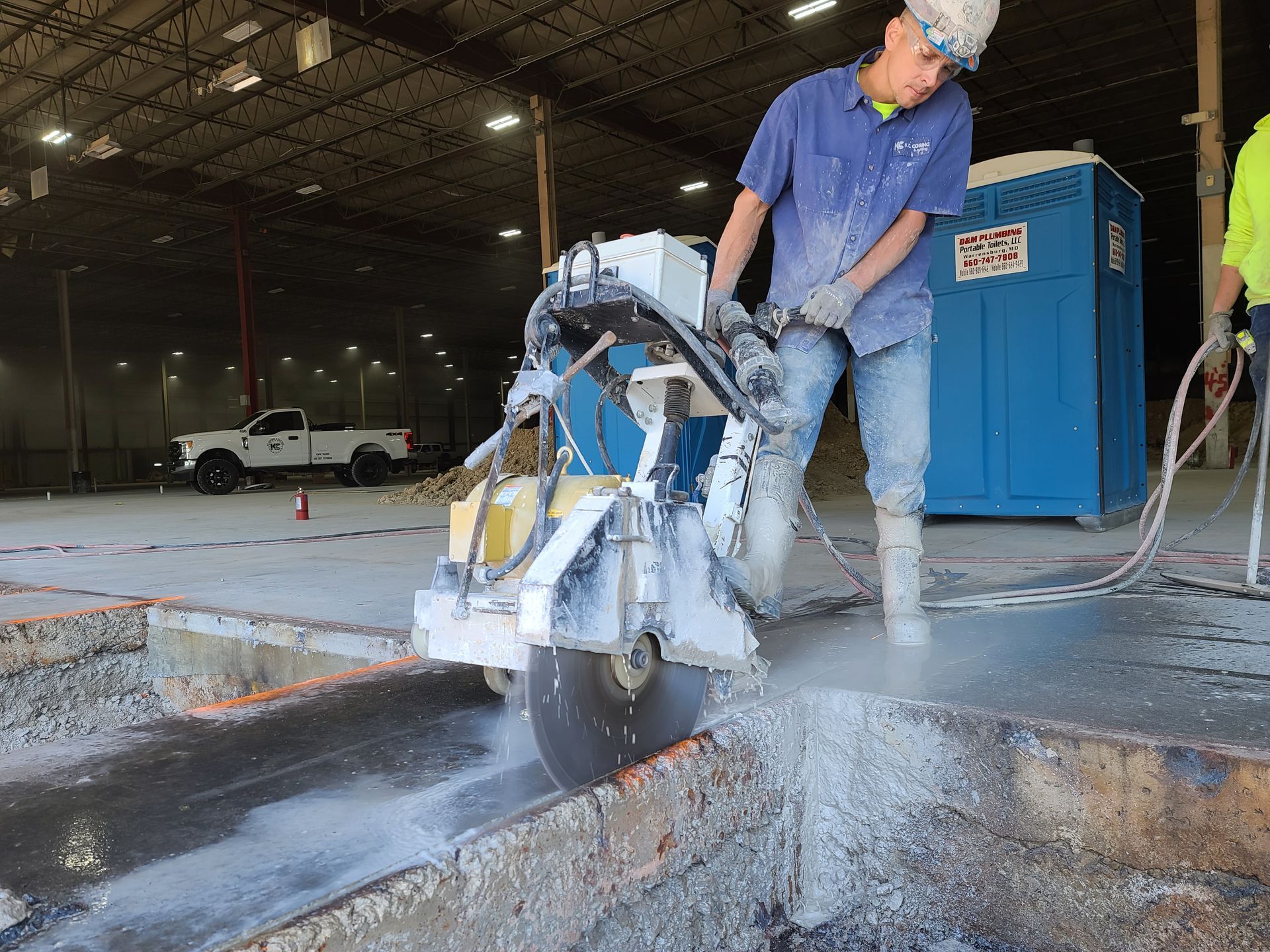
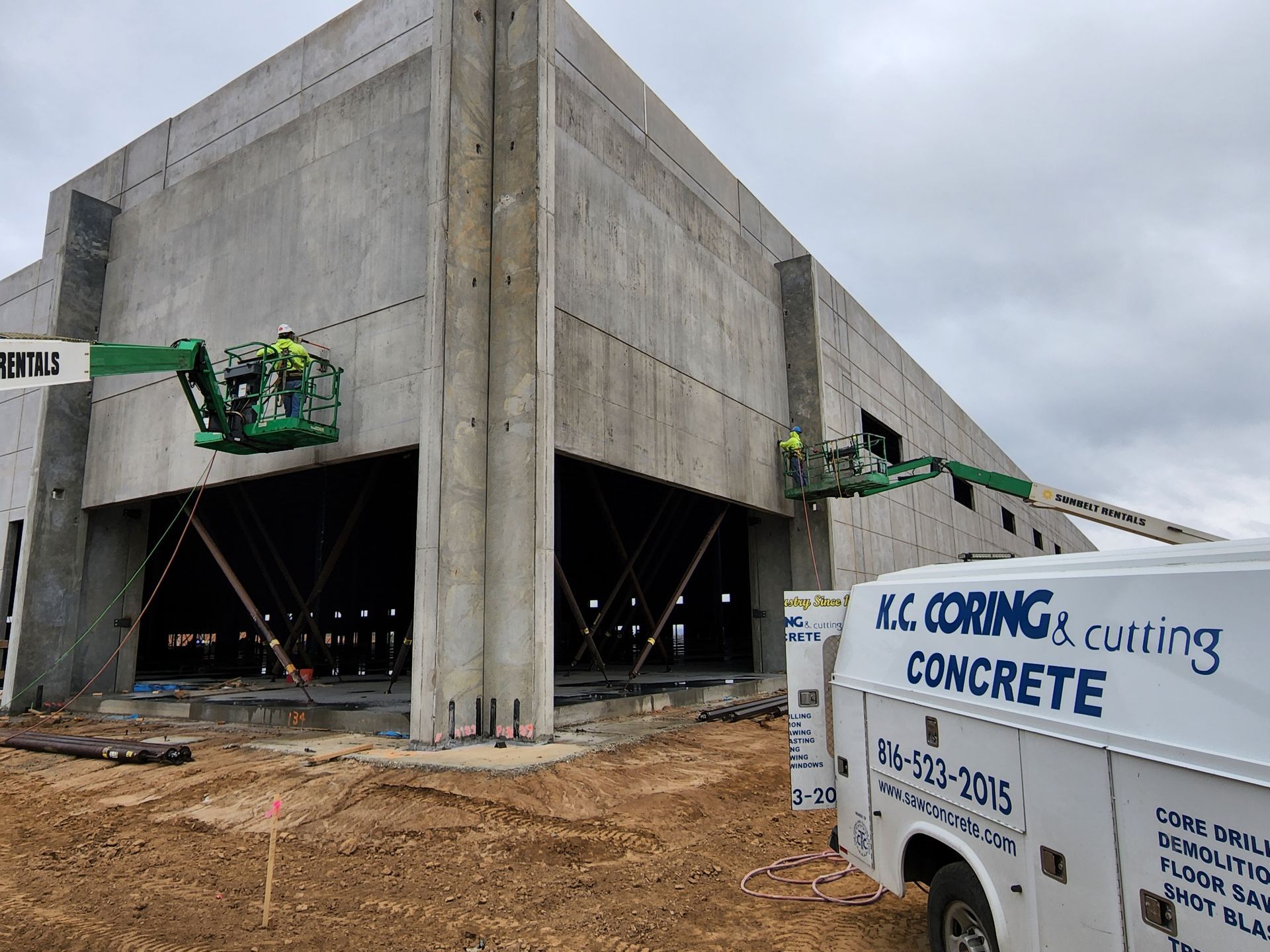
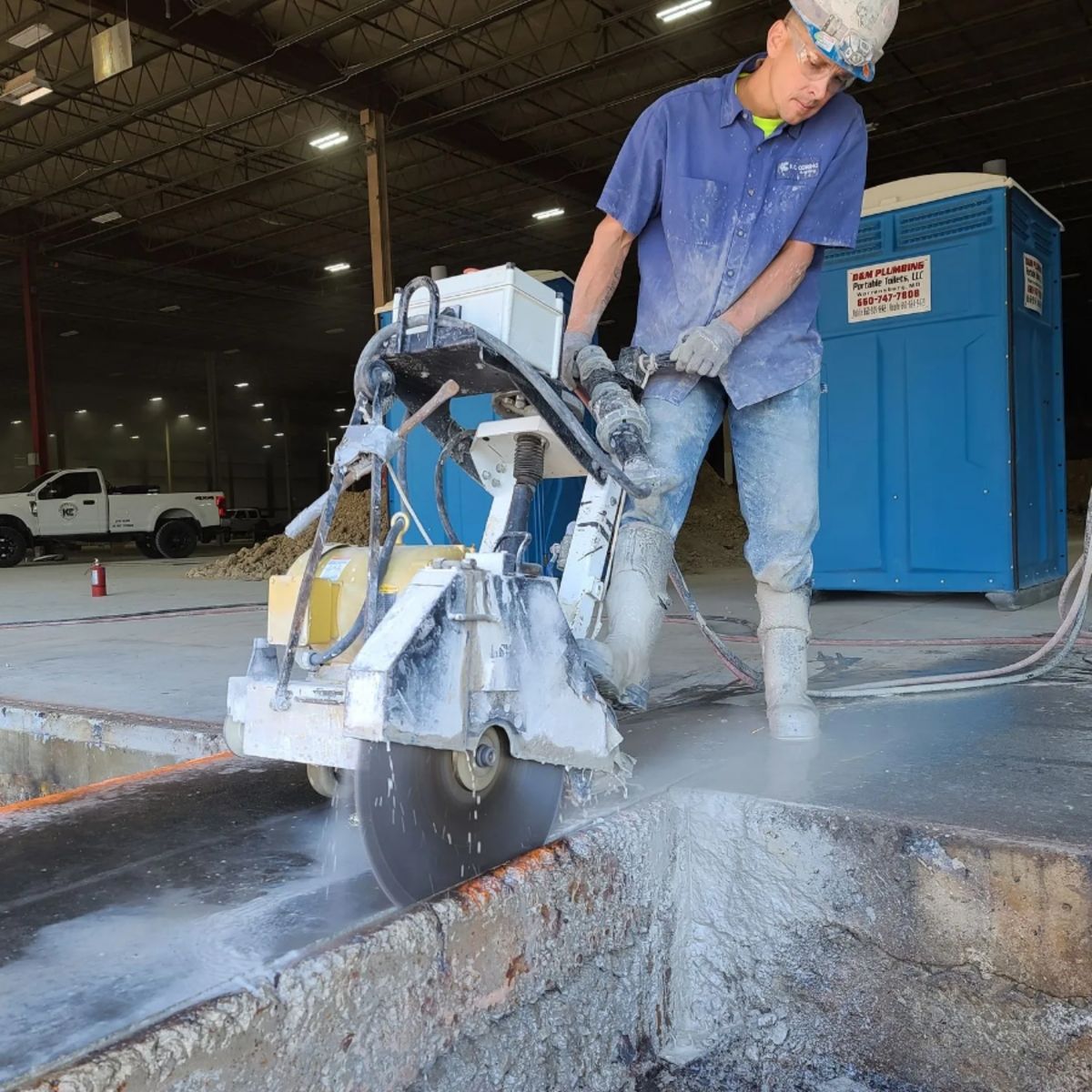
KC Coring crew performing concrete cutting on a Kansas City commercial job site
June 18, 2026
Before you schedule a concrete cutting job, know the right questions to ask. KC Coring walks Kansas City contractors through methods, GPR scanning, site prep, and more.
May 20, 2026
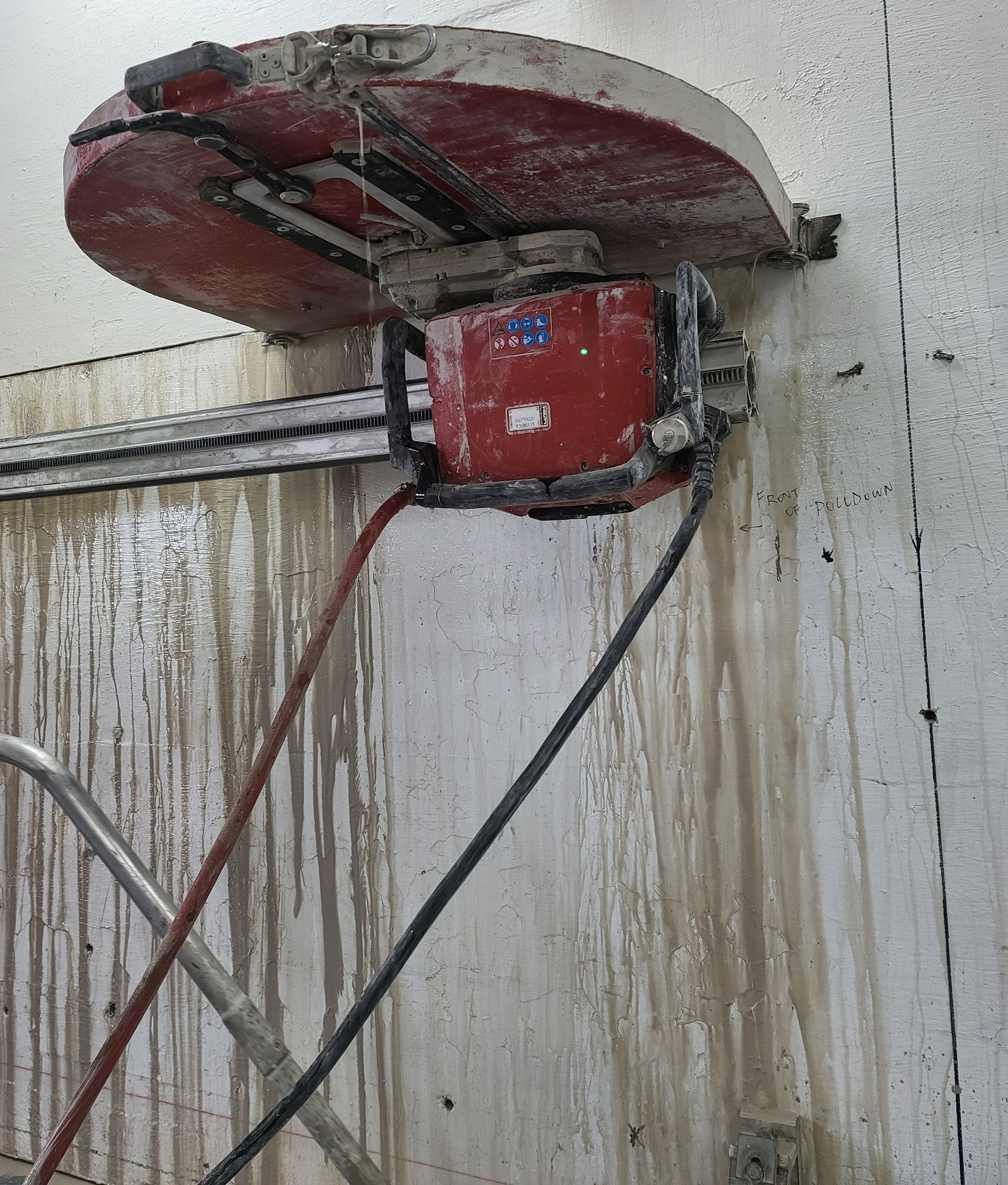
When a commercial building needs a new door, window, HVAC duct, or utility access point cut through a concrete or masonry wall, the method used to make that opening matters more than most people realize. The wrong approach can damage surrounding structure, delay other trades, or create safety risks that ripple across the entire job site. Wall sawing is the method that consistently delivers clean, controlled, and structurally sound openings in commercial settings, and understanding why helps contractors and facility managers make smarter decisions before work begins. What Is Wall Sawing and How Does It Work? Wall sawing uses a track-mounted circular saw fitted with a diamond-tipped blade to cut through vertical or steeply angled concrete surfaces. The saw travels along a guide track that is secured directly to the wall, which means the blade follows a fixed, predetermined path throughout the entire cut. This track system is what separates wall sawing from other cutting methods. Because the saw cannot shift, drift, or wander, every cut comes out straight, square, and consistent in depth. Operators can set the exact depth before cutting begins, which is especially important when working near utilities, post-tension cables, or rebar that sits close to the cut line. At KC Coring & Cutting, both electric and hydraulic wall saws are used depending on the environment. Electric saws are preferred for interior commercial spaces where fumes and air quality matter. Hydraulic systems are brought in when greater power output is needed for thicker or more heavily reinforced walls. Why Does the Cutting Method Matter in Commercial Construction? In commercial construction, a structural opening is never just a hole. It connects to load paths, adjacent trades, building schedules, and occupant safety. A cut made with the wrong tool or by an undertrained crew can crack surrounding concrete, compromise a load-bearing element, or damage conduit running through the wall. Many general contractors in the Kansas City area have learned this the hard way when rough methods like jackhammers or angle grinders are used for wall penetrations. These tools transfer impact force outward through the surrounding material. In occupied buildings, that vibration alone can cause hairline fractures, dislodge ceiling tiles, or interfere with sensitive equipment in adjacent rooms. Wall sawing, by contrast, produces minimal vibration. The diamond blade cuts by abrasion rather than impact, which means the energy stays focused at the blade contact point rather than radiating through the wall. What Types of Commercial Openings Require Wall Sawing?  ot every wall opening calls for the same approach, but wall sawing covers the broadest range of commercial applications with consistent results. Door and window openings in concrete tilt-up buildings are among the most common uses. Retrofitting an existing commercial structure with a new storefront opening or loading dock access point requires straight cuts that match architectural drawings exactly. Even a quarter-inch deviation can cause problems with door frames, headers, or the masonry infill used to finish the opening. HVAC and mechanical penetrations through concrete core walls are another frequent application. These cuts need to hit specific coordinates without damaging the reinforcement structure on either side. Core drilling handles round penetrations, but when the opening needs to be rectangular or oversized, wall sawing is the right call. Utility access points in parking garages, hospitals, and municipal buildings across Kansas City often require wall sawing as well. These environments have strict requirements around noise, dust, and structural disturbance, all of which wall sawing handles better than traditional demolition methods. How Does Wall Sawing Handle Reinforced Concrete? Reinforced concrete is the standard in commercial construction, and it presents real challenges for wall cutting crews. Rebar runs horizontally and vertically through most structural walls. Post-tension cables add another layer of complexity in modern slabs and walls because cutting one can release stored tension and cause immediate, serious structural damage. This is why the process at KC Coring & Cutting always starts with a Ground Penetrating Radar scan before any blade touches the wall. GPR detects rebar placement, post-tension cables, conduit, and other embedded objects. The scan data tells the crew exactly where these elements sit so the cut path can be planned around them. Once the scan is complete, the operator marks the wall and mounts the track. Diamond blades are selected based on the specific concrete mix, aggregate type, and reinforcement density. A blade chosen for lightly reinforced concrete will wear faster and cut less cleanly through a heavily reinforced wall, which is a detail that often gets overlooked when less experienced crews take on these jobs. Wet cutting is used throughout the process to cool the blade, suppress silica dust, and extend blade life. Slurry containment keeps the work area clean and prevents water from migrating into adjacent spaces. What Are the Depth Capabilities of Wall Sawing?

Let’s Talk About Your Project

If your next job requires concrete coring or cutting in Kansas City with expert execution, clean results and safe operations, we are ready to discuss how we can support you. Reach out today to schedule a consultation or to request a quote. Let’s ensure your project is executed precisely, efficiently and with the confidence that comes from working with the region’s #1 concrete coring & cutting specialists.