Concrete cutting is one of the most critical services in construction, renovation, and infrastructure development. From simple openings to complex structural modifications, precision cutting allows projects to move forward safely and efficiently.
At Kansas City Coring & Cutting, we combine decades of experience with advanced equipment to deliver clean, accurate cuts that meet the highest professional standards. This guide explains how concrete cutting works, the techniques used, the equipment involved, and how our process ensures safe, efficient, and high-quality results.
A Brief History of Concrete Cutting
Modern concrete cutting is a blend of science, engineering, and craftsmanship. Early methods relied on handheld chisels, jackhammers, and rudimentary saws that were slow, loud, and imprecise. As concrete became the backbone of modern architecture, the need for cleaner, faster, and safer cutting methods grew.
The introduction of diamond-tipped blades and hydraulic-powered saws in the mid-20th century revolutionized the industry. These innovations allowed contractors to cut reinforced concrete with greater speed, accuracy, and control. Today, with electric, hydraulic, and robotic systems, concrete cutting has become a precise, low-vibration process that minimizes dust, noise, and structural disruption.
Core Concrete Cutting Techniques
Concrete cutting is not a one-size-fits-all process. Different structures and project goals require different methods. The main techniques include slab sawing, wall sawing, and wire sawing. Each serves a specific purpose and requires specialized skill to perform correctly.
Slab Sawing (Flat Sawing)
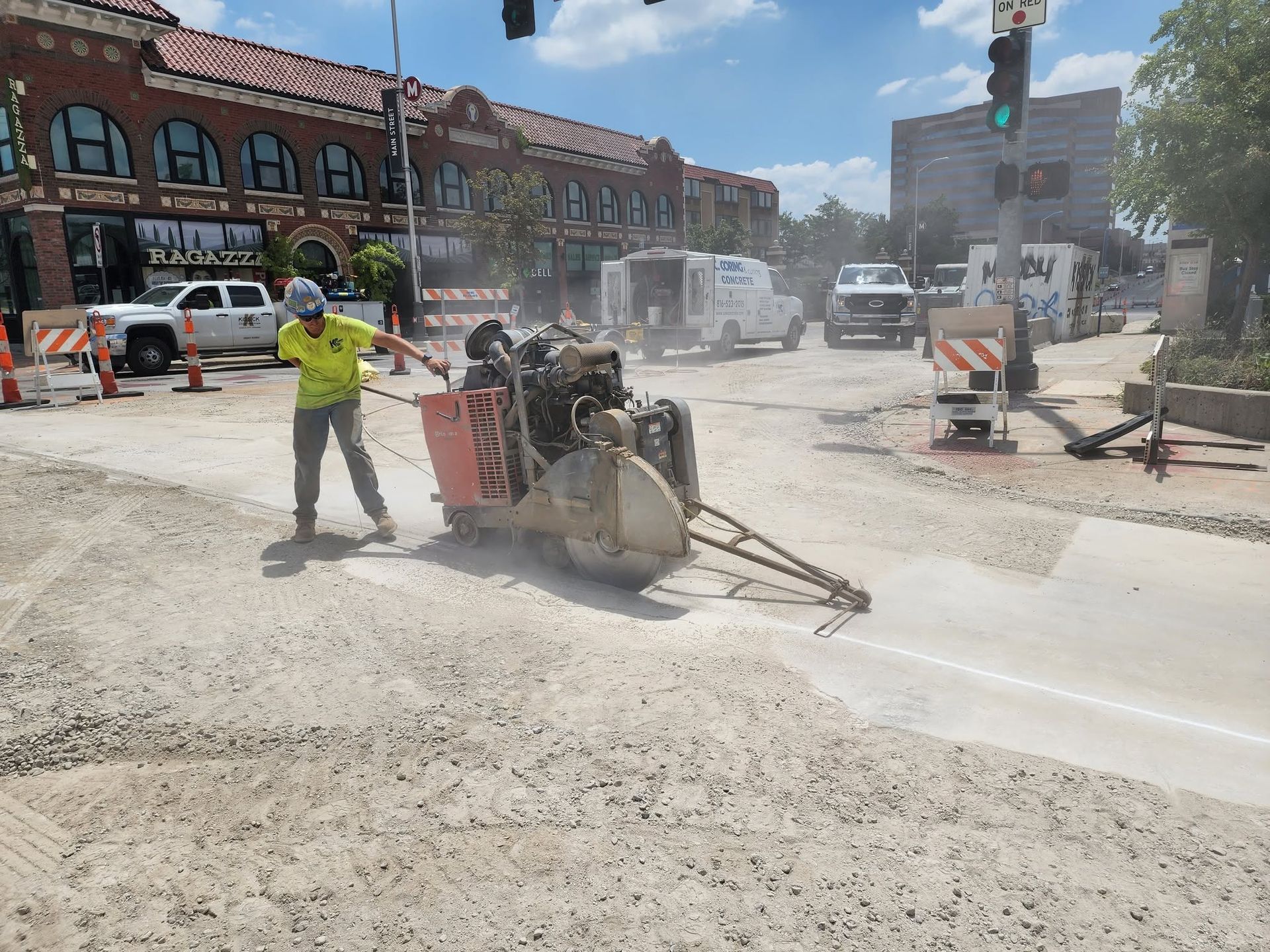
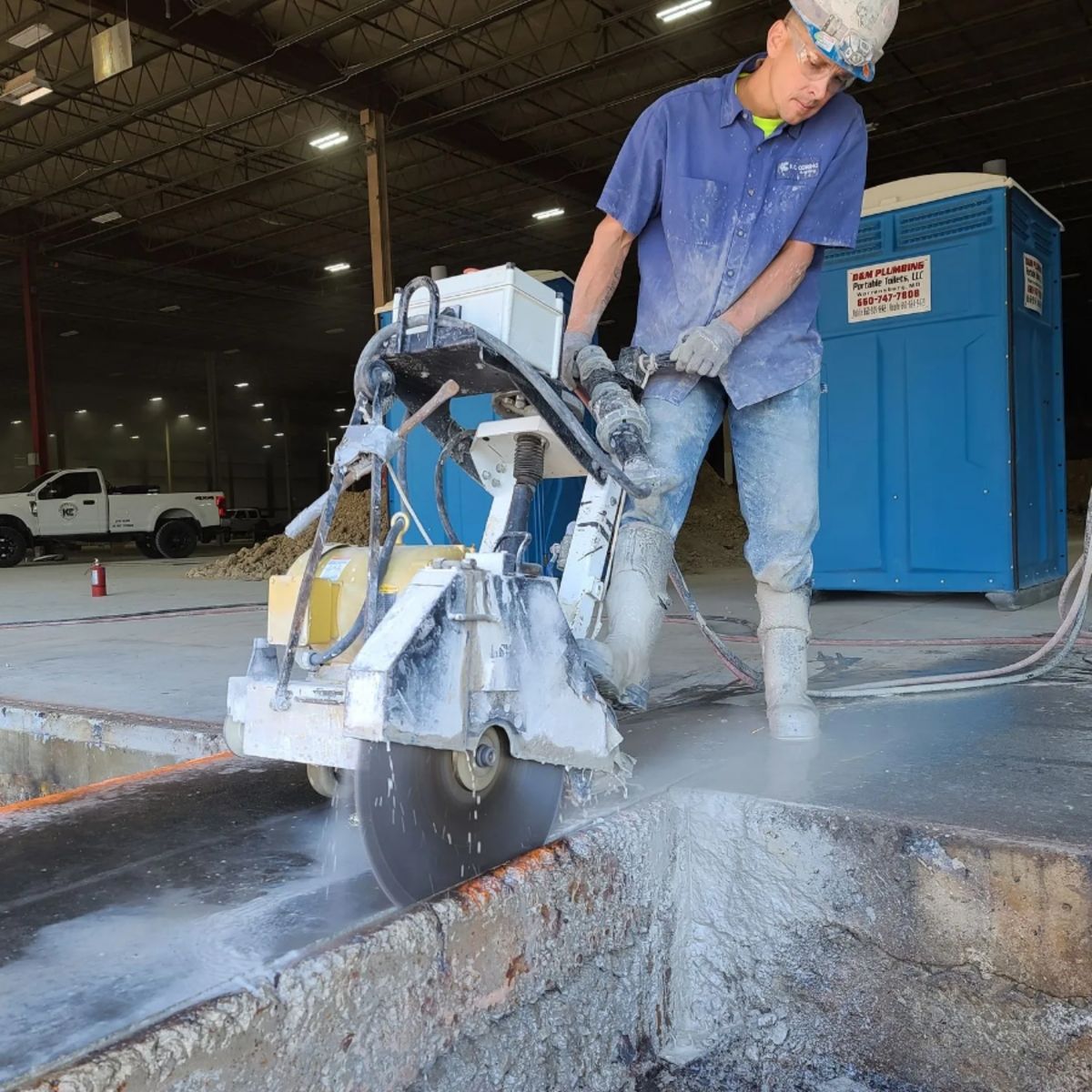
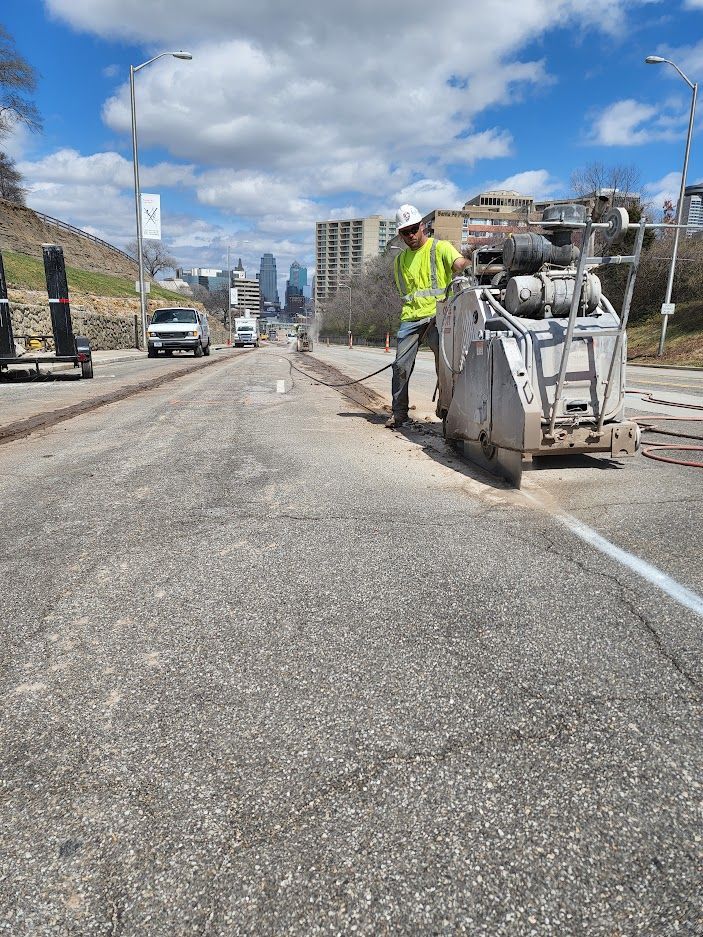
Slab sawing is used for cutting horizontal surfaces such as floors, bridge decks, roads, and parking lots. The saw operates on a wheeled frame with a diamond blade mounted vertically. It is ideal for creating trenches, expansion joints, and removing damaged pavement.
At Kansas City Coring & Cutting, we use wet-cutting methods to keep blades cool, suppress dust, and achieve smooth, clean cuts that protect surrounding material.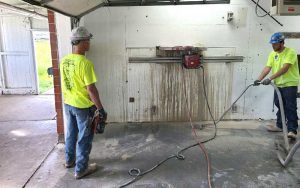
Wall Sawing
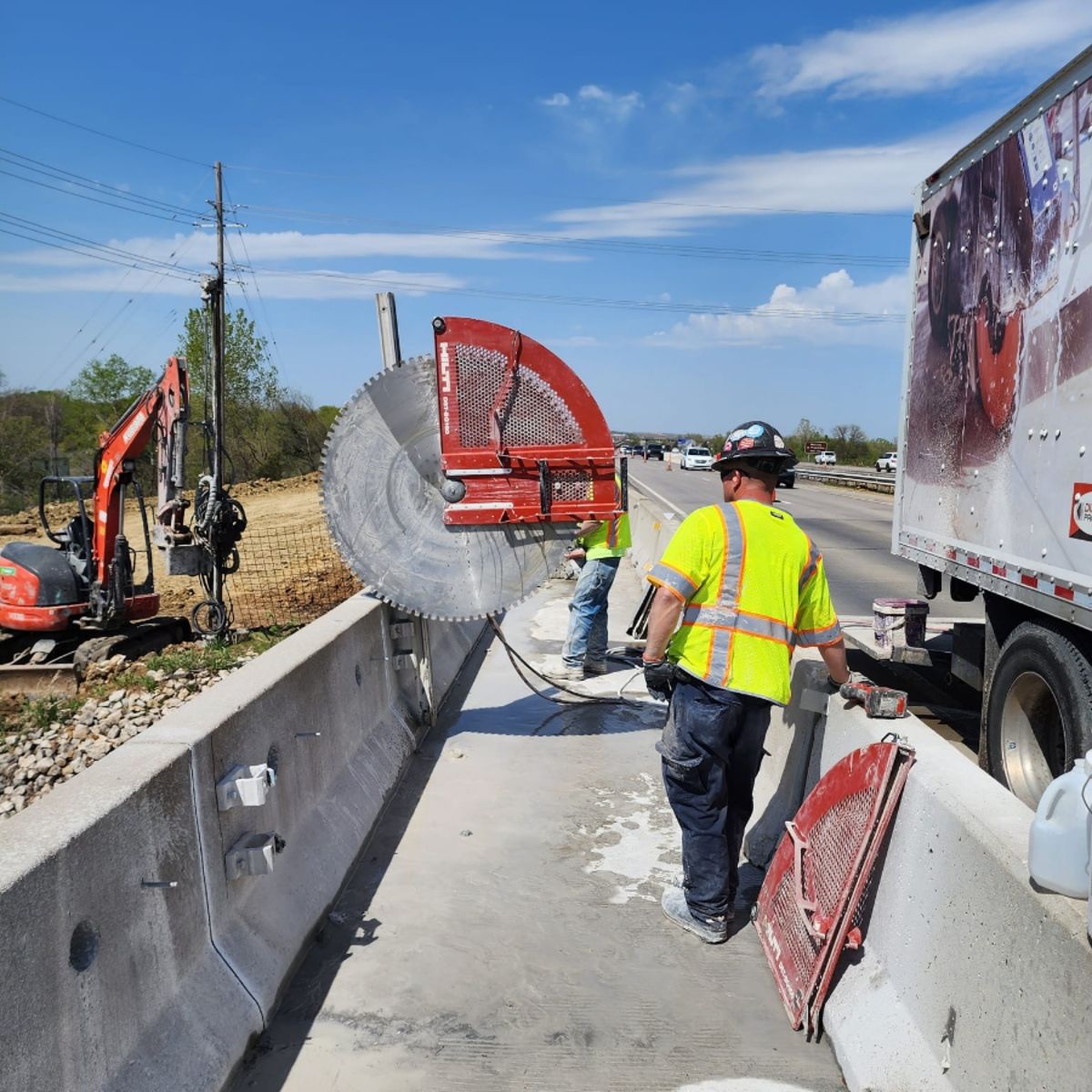
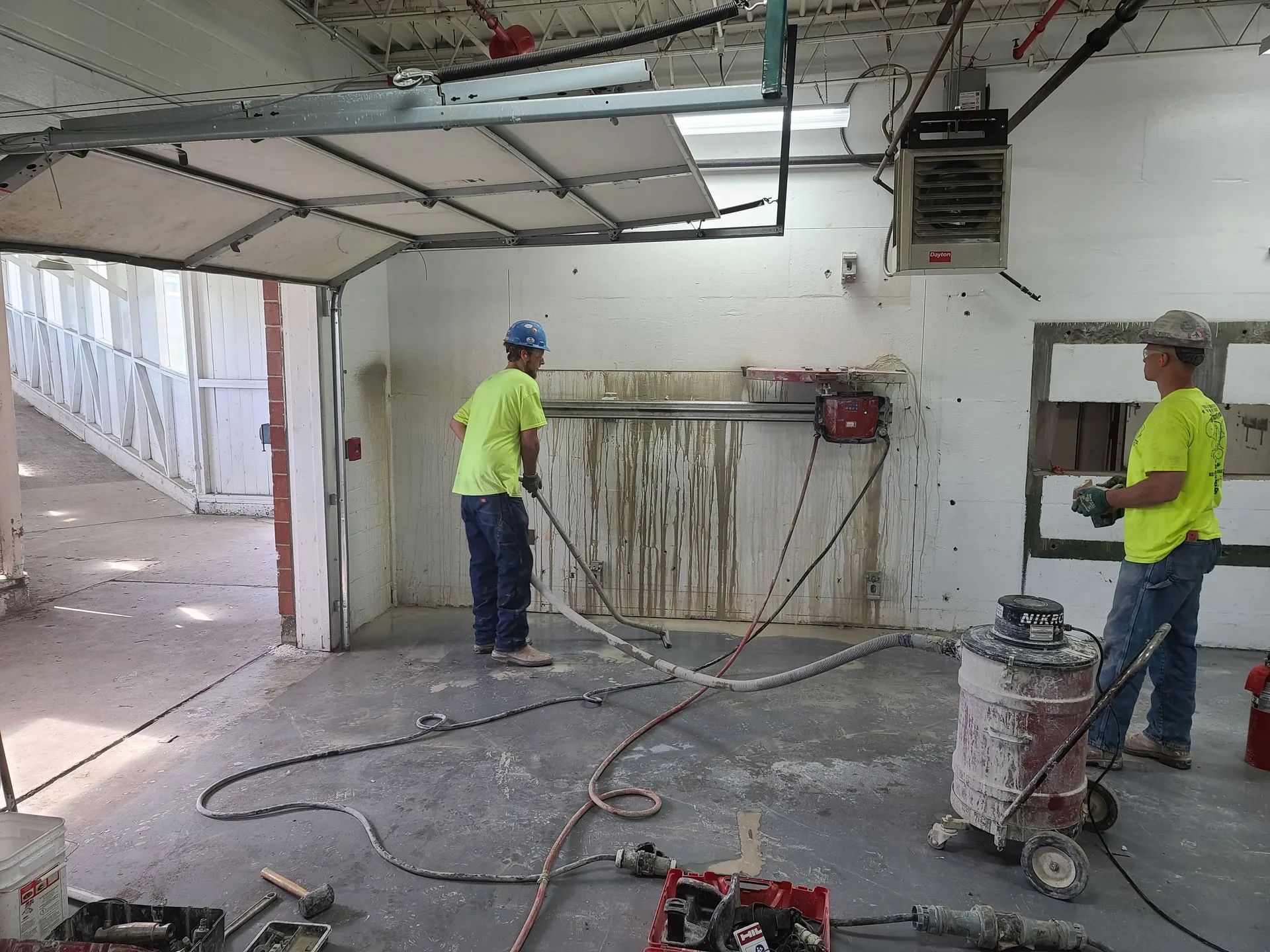
Wall sawing is performed on vertical or sloped surfaces to create openings for doors, windows, and utilities. The saw is mounted on a track system that allows for precise alignment and control. Wall sawing is perfect for renovation work, structural modifications, and controlled demolition.
Because these cuts often occur in load-bearing walls, accuracy and stability are critical. Our technicians work closely with engineers to ensure the structural integrity of every project remains intact.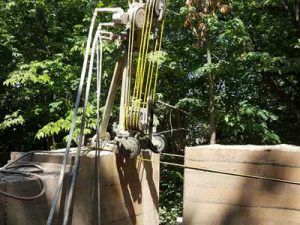
Wire Sawing
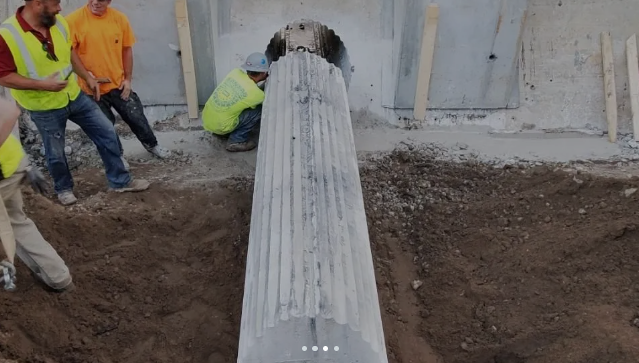
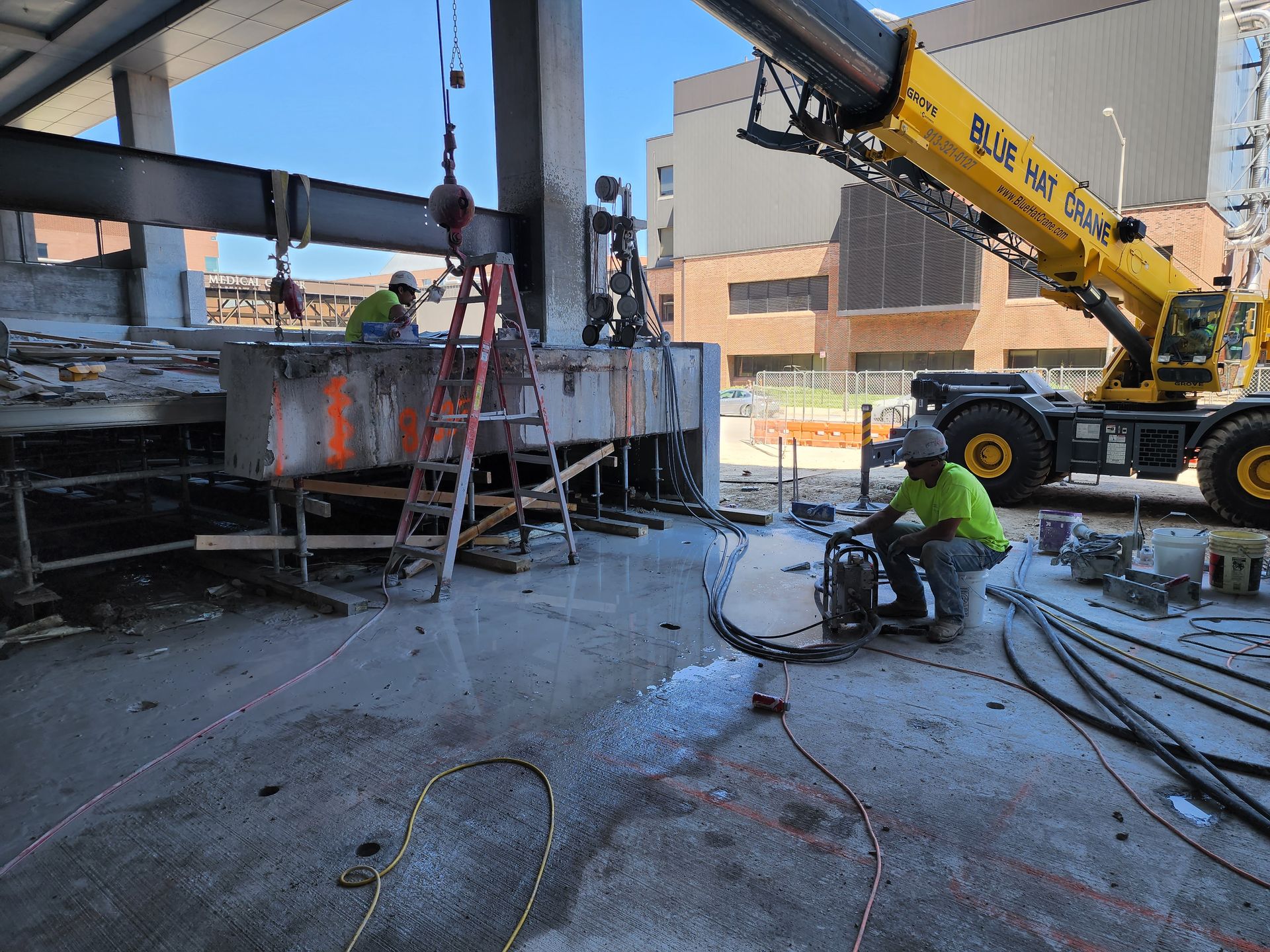
Wire sawing is the most versatile technique, used when other methods are not practical. It involves a steel cable embedded with diamond beads that is looped through pulleys around the concrete to be cut. As the wire moves, it slices through the material cleanly and efficiently, regardless of size or shape.
Wire sawing is commonly used for large structures such as bridge piers, foundations, and heavily reinforced concrete sections. It allows for precise, vibration-free cutting that protects the surrounding structure.
Equipment Used in Professional Concrete Cutting
Professional-grade cutting relies on specialized tools and machines designed for power, control, and safety.
Diamond Blades:
The core of every cutting system. These blades use synthetic diamonds bonded to a steel core, allowing them to cut through concrete, rebar, and aggregate with precision.
Core Drills:
Cylindrical drills with diamond-tipped segments used to create perfectly round openings for plumbing, electrical conduit, HVAC, and anchor installations.
Hydraulic and Electric Saws:
These systems provide stable, high-torque power without excessive vibration or exhaust emissions, making them ideal for indoor and occupied spaces.
Ground Penetrating Radar (GPR):
Before cutting begins, GPR scanning identifies hidden objects like rebar, post-tension cables, and utilities. This step ensures safe, damage-free cutting.
Water Management Systems:
Used in wet cutting to cool blades, control dust, and maintain a cleaner work environment.
Each tool plays a specific role, and knowing when and how to use them is what separates professional cutters from general contractors.
When to Use Each Cutting Method
Choosing the right technique depends on the project’s structure, accessibility, and purpose.
Slab sawing is best for surface-level cuts in horizontal structures like floors, roads, or bridge decks.
Wall sawing is ideal for vertical openings and modifications to load-bearing or reinforced walls.
Wire sawing is the go-to method for large, thick, or irregular concrete structures.
Core drilling is used whenever a circular opening is needed for utilities, anchors, or samples.
Our technicians evaluate every project individually to determine the safest and most efficient cutting method for the job.
Safety, Accuracy, and Environmental Control
Precision cutting is not just about getting through concrete; it is about protecting everything around it. Uncontrolled cutting can cause micro-cracking, structural weakening, or excessive dust and vibration.
At Kansas City Coring & Cutting, we use wet cutting techniques exclusively. Water cools the blade, reduces wear, and eliminates dangerous silica dust that can harm workers and occupants. Combined with proper equipment calibration and operator training, this approach ensures every cut is accurate, clean, and safe.
We also comply fully with OSHA silica dust regulations and all local safety codes. Our team maintains a .78 EMR safety rating, reflecting our commitment to safe practices and continuous improvement.
The Kansas City Coring & Cutting Process
Our process is built on precision, planning, and professionalism.
Assessment and Scanning:
We begin every job with a complete site evaluation and GPR scan to identify hidden materials and structural components.
Planning and Coordination:
We collaborate with contractors, engineers, and site managers to plan the safest and most efficient cutting approach.
Execution:
Our certified technicians use diamond-tipped saws and drills to perform clean, controlled cuts with minimal vibration or disruption.
Cleanup and Quality Check:
We remove debris, control water runoff, and inspect all finished cuts to confirm accuracy and safety.
This detailed approach allows us to deliver consistent results across commercial, industrial, and municipal projects.
Applications of Professional Concrete Cutting
Concrete cutting plays a vital role in nearly every stage of construction and renovation. Some common applications include:
Creating openings for doors, windows, and stairways
Removing damaged pavement or flooring
Installing plumbing, electrical, or HVAC systems
Controlled demolition and structural modification
Infrastructure repair and utility trenching
Each project has unique challenges, and our experience allows us to adapt methods and equipment to meet specific goals.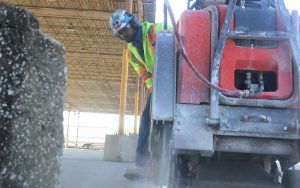
Why Precision Cutting Matters
Precision cutting is what separates professional workmanship from brute force. Clean, accurate cuts maintain the integrity of the structure, reduce repair costs, and ensure other trades can complete their work without delay.
At Kansas City Coring & Cutting, our focus on precision, safety, and efficiency has made us a trusted partner in Kansas City’s most demanding construction projects. From hospitals and data centers to bridges and commercial buildings, our expertise helps shape stronger, smarter, and safer structures.
For reliable concrete cutting, coring, and demolition done right the first time, contact Kansas City Coring & Cutting today.