
A lot can go wrong in the concrete coring and cutting industry. That’s why working with a company with a lot of experience and an excellent safety record is crucial.
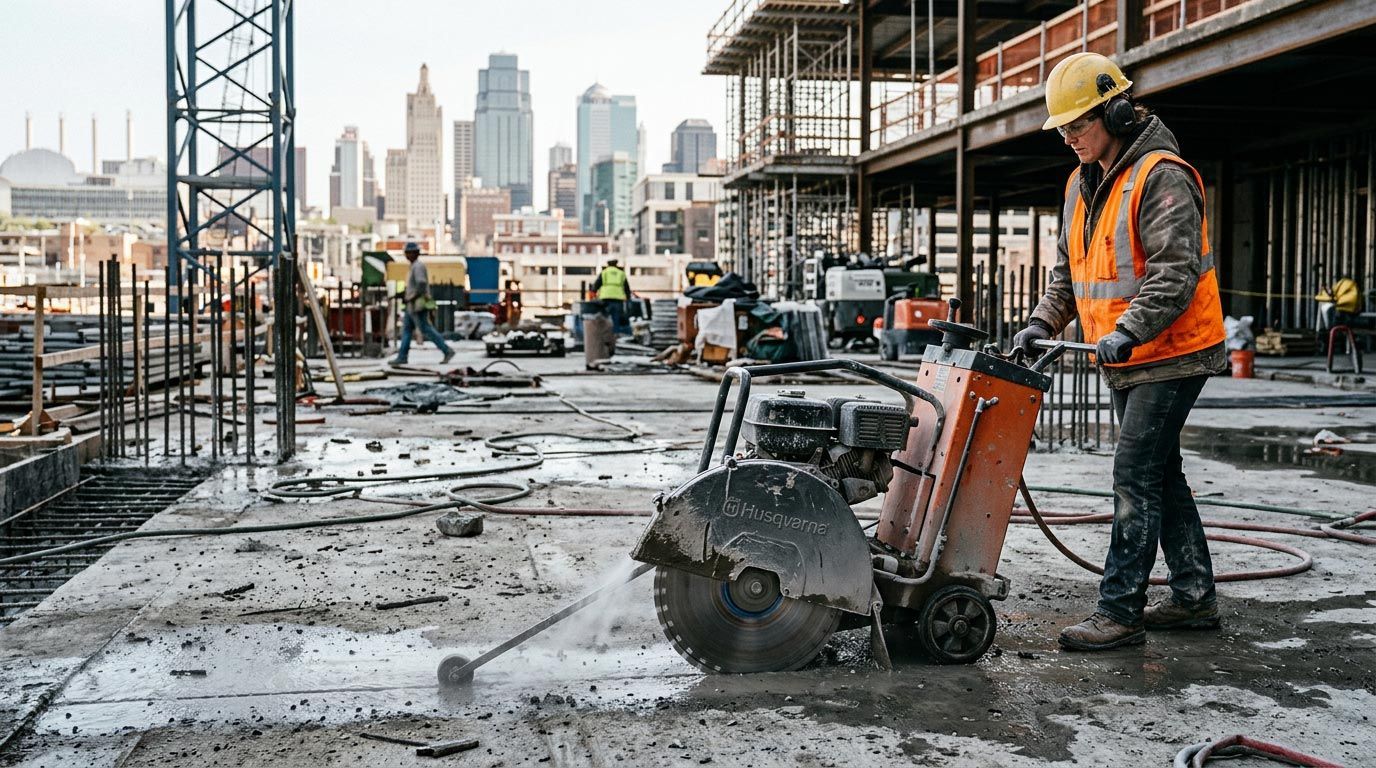
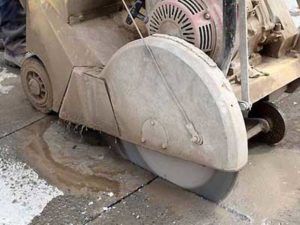
Navigating Commercial Concrete Modifications in Modern Construction Commercial building across the Kansas City metropolitan area is moving at a rapid pace. Between infrastructure upgrades, transit expansions, and major commercial renovations, general contractors face tight deadlines and complex jobsite challenges. When updating existing slabs, adding utility lines, or creating structural openings, choosing the right concrete cutting approach makes all the difference in project safety and timeline execution. Concrete saw cutting is the controlled mechanical process of sawing, coring, or removing portions of cured or green concrete without damaging surrounding structural elements. Using diamond-tipped blades and specialized saws, trained operators create clean openings for plumbing trenches, electrical conduits, doorway expansions, and expansion joints. Executive Summary Modern commercial renovations and infrastructure projects across Kansas City require controlled concrete cutting to modify slabs and structures safely. Utilizing diamond blades, wet-cutting systems, and ground-penetrating radar prevents unexpected structural damage and utility strikes. Partnering with an experienced specialty contractor ensures accurate project execution, tight schedule adherence, and full OSHA compliance. Key Takeaways for Project Managers Select the Right Method Early: Match slab sawing, core drilling, or wall sawing directly to the depth, layout, and structural load demands of your Kansas City project. Prioritize Pre-Cut Utility Scanning: Always conduct Ground Penetrating Radar (GPR) before making cuts to map rebar, post-tension cables, and live electrical conduits. Enforce OSHA Silica Standards: Require continuous wet-cutting water feed systems and high-efficiency dust management to maintain clean air and meet worker safety requirements. Key Questions Answered What is concrete saw cutting? A controlled specialty construction process using diamond-tipped saws to cut structural openings, utility trenches, or expansion joints in reinforced concrete. When is slab sawing preferred? Slab sawing is ideal for horizontal flat surfaces such as warehouse floors, bridge decks, and highway pavement requiring trenches or section removals. The Mechanics Behind Concrete Saw Operations Understanding how a professional concrete saw cuts through reinforced stone and steel helps project teams plan efficient schedules. Unlike wood or metal blades that shear through material, diamond blades work through micro-abrasion. Industrial diamond crystals embedded in a metallic matrix grind through aggregate and rebar under high rotational torque. As the blade spins, the matrix slowly wears away, exposing fresh diamond edges to maintain cutting efficiency. Water feeds continuously flush away slurry and keep temperatures down, preventing blade warping and dangerous airborne crystalline silica clouds. For dry cutting or interior occupied buildings, dedicated HEPA extraction units capture fine dust at the source. Core Concrete Cutting Methods in Practice Every commercial jobsite presents unique physical constraints. A deep foundation cut requires different machinery than a shallow decorative control joint. Below is a breakdown of common cutting approaches utilized across commercial projects. 1. Slab Sawing (Flat Sawing) Slab saws, often referred to as flat saws, feature circular blades mounted on rigid walk-behind or ride-on chassis. Powered by electric, diesel, or hydraulic motors, flat saws cut horizontal concrete slabs, asphalt pavement, airport runways, and bridge surfaces. Contractors rely on slab sawing to open trenches for underground plumbing, mechanical piping, and electrical raceways. 2. Core Drilling Core drilling creates clean, round holes through concrete walls, floors, and ceilings. Diamond core bits range from small fractional diameters up to multi-foot openings for HVAC ducts, structural anchors, and plumbing penetrations. Because core drilling produces minimal vibration, it maintains the structural integrity of surrounding reinforced concrete. 3. Wall Sawing and Wire Sawing When vertical concrete walls, foundation footings, or precast panels need clean cuts for doorways, windows, or ventilation louvers, track-mounted wall saws provide straight lines. For massive concrete structures where blade reach is limited, diamond wire sawing threads continuous abrasive wire through heavy sections, slicing through thick mass concrete smoothly. 4. Robotic Brokk Demolition In confined spaces or structural removal projects where traditional heavy excavators cannot operate safely, remote-controlled Brokk demolition machines provide powerful breaking capability. Operators control the machine from a safe distance, reducing operator fatigue and jobsite hazards.
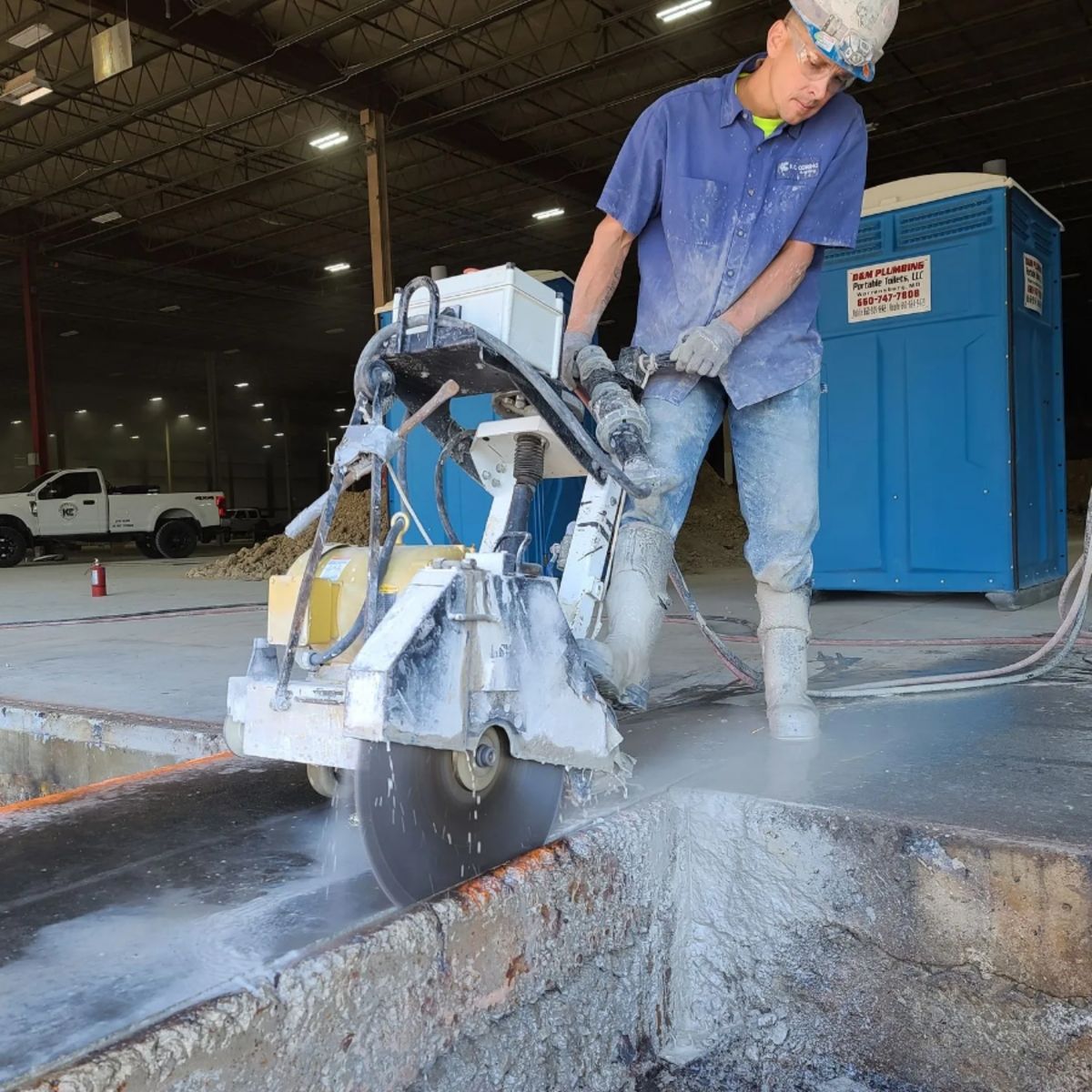
Learn how concrete slab sawing supports site prep, layout, and demo scheduling for contractors across Kansas City. Get the details before your next project.
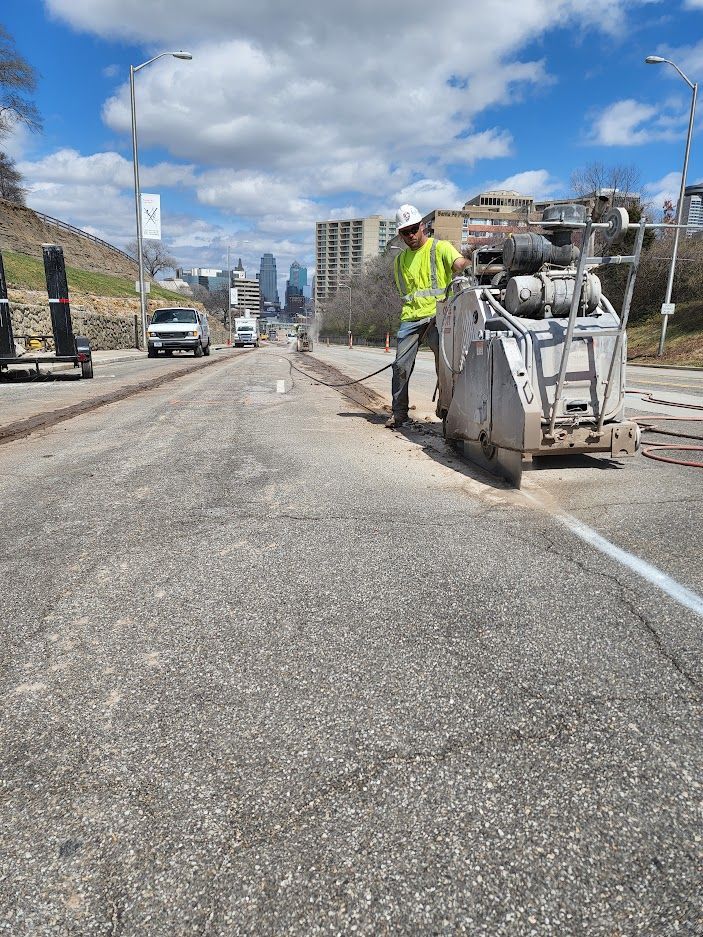
Planning concrete cutting for a Kansas City project? See why summer scheduling affects curing time, cost, and timelines, plus tips to avoid delays.
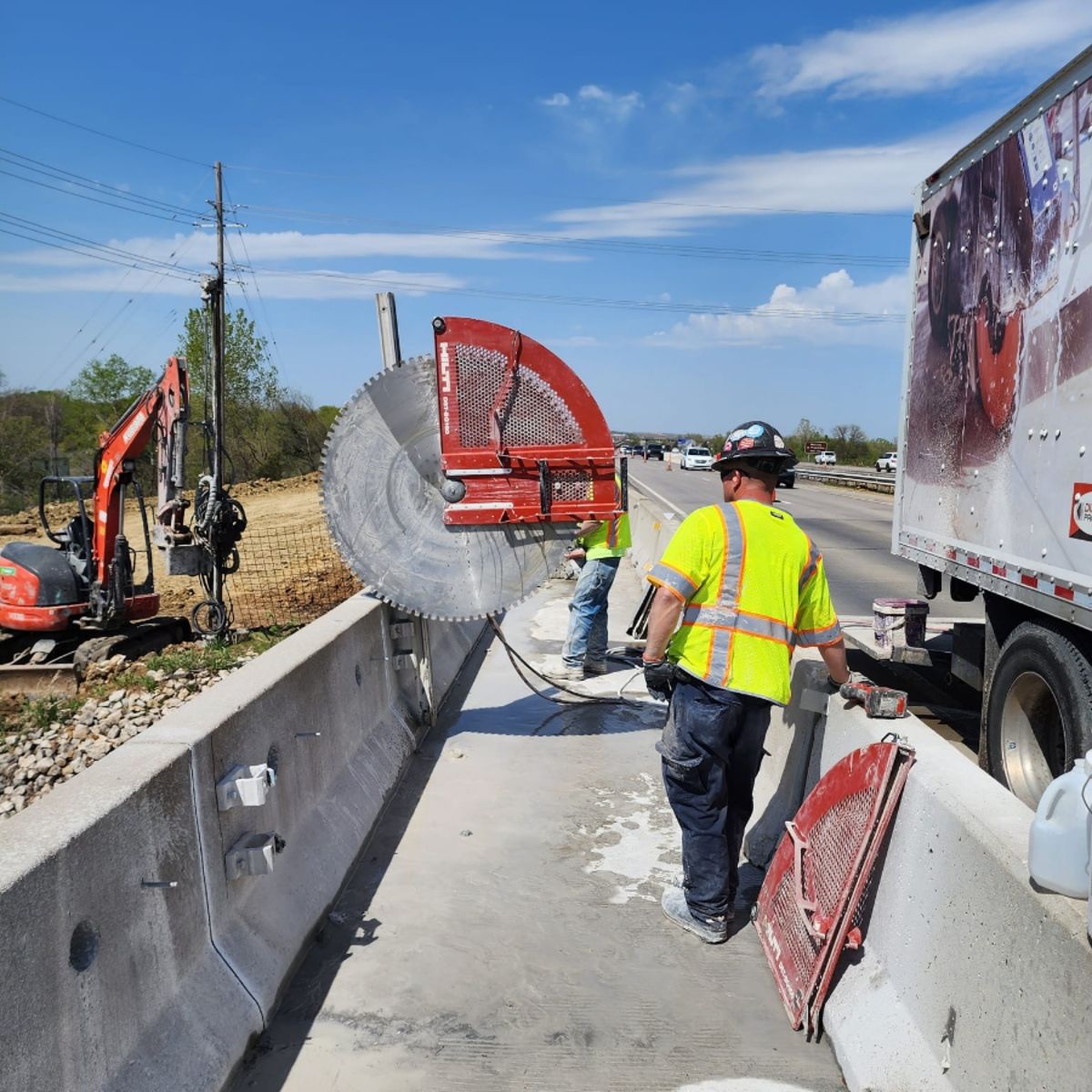
Before you schedule a concrete cutting job, know the right questions to ask. KC Coring walks Kansas City contractors through methods, GPR scanning, site prep, and more.
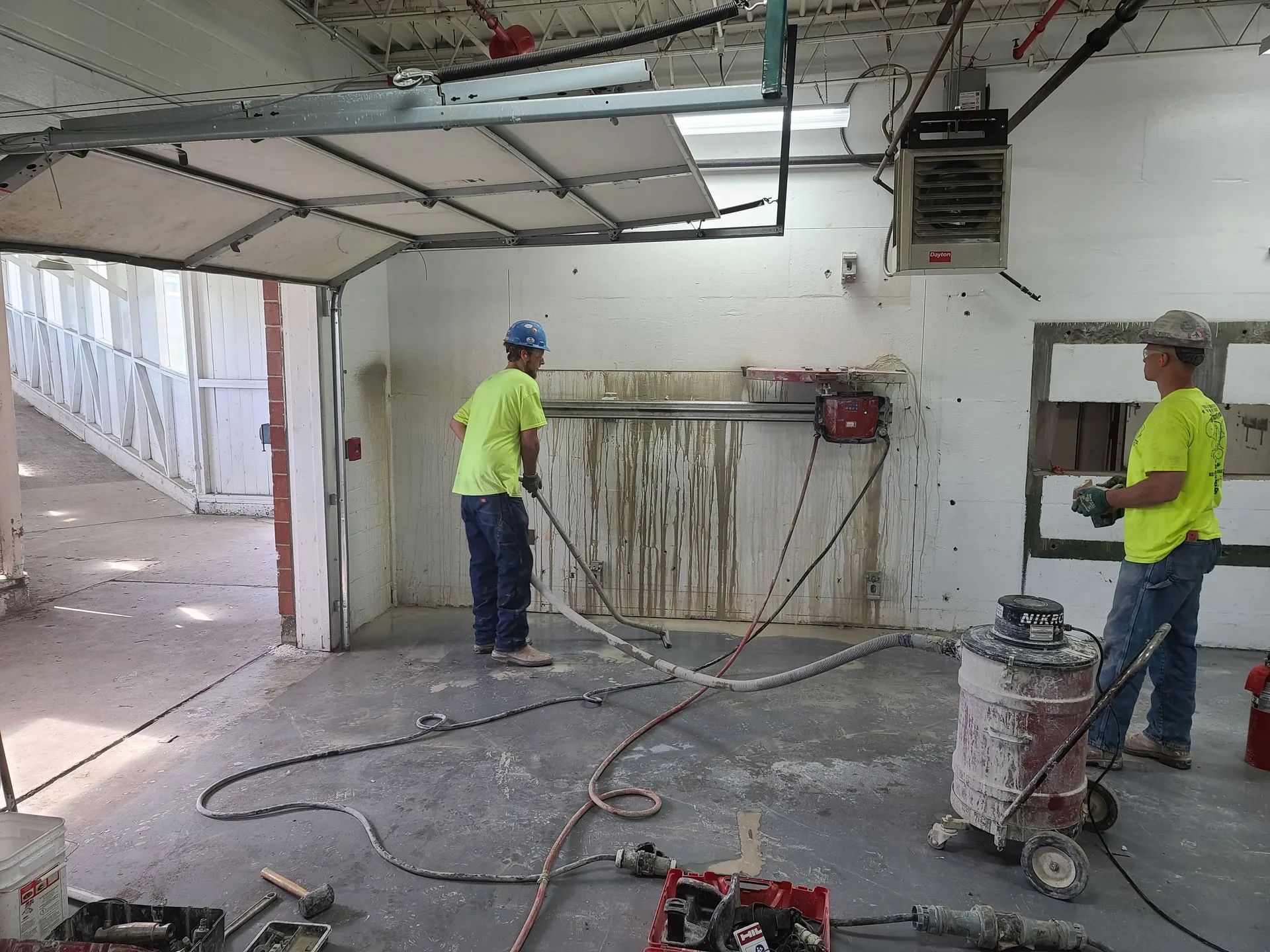
When a commercial building needs a new door, window, HVAC duct, or utility access point cut through a concrete or masonry wall, the method used to make that opening matters more than most people realize. The wrong approach can damage surrounding structure, delay other trades, or create safety risks that ripple across the entire job site. Wall sawing is the method that consistently delivers clean, controlled, and structurally sound openings in commercial settings, and understanding why helps contractors and facility managers make smarter decisions before work begins. What Is Wall Sawing and How Does It Work? Wall sawing uses a track-mounted circular saw fitted with a diamond-tipped blade to cut through vertical or steeply angled concrete surfaces. The saw travels along a guide track that is secured directly to the wall, which means the blade follows a fixed, predetermined path throughout the entire cut. This track system is what separates wall sawing from other cutting methods. Because the saw cannot shift, drift, or wander, every cut comes out straight, square, and consistent in depth. Operators can set the exact depth before cutting begins, which is especially important when working near utilities, post-tension cables, or rebar that sits close to the cut line. At KC Coring & Cutting, both electric and hydraulic wall saws are used depending on the environment. Electric saws are preferred for interior commercial spaces where fumes and air quality matter. Hydraulic systems are brought in when greater power output is needed for thicker or more heavily reinforced walls. Why Does the Cutting Method Matter in Commercial Construction? In commercial construction, a structural opening is never just a hole. It connects to load paths, adjacent trades, building schedules, and occupant safety. A cut made with the wrong tool or by an undertrained crew can crack surrounding concrete, compromise a load-bearing element, or damage conduit running through the wall. Many general contractors in the Kansas City area have learned this the hard way when rough methods like jackhammers or angle grinders are used for wall penetrations. These tools transfer impact force outward through the surrounding material. In occupied buildings, that vibration alone can cause hairline fractures, dislodge ceiling tiles, or interfere with sensitive equipment in adjacent rooms. Wall sawing, by contrast, produces minimal vibration. The diamond blade cuts by abrasion rather than impact, which means the energy stays focused at the blade contact point rather than radiating through the wall. What Types of Commercial Openings Require Wall Sawing? ot every wall opening calls for the same approach, but wall sawing covers the broadest range of commercial applications with consistent results. Door and window openings in concrete tilt-up buildings are among the most common uses. Retrofitting an existing commercial structure with a new storefront opening or loading dock access point requires straight cuts that match architectural drawings exactly. Even a quarter-inch deviation can cause problems with door frames, headers, or the masonry infill used to finish the opening. HVAC and mechanical penetrations through concrete core walls are another frequent application. These cuts need to hit specific coordinates without damaging the reinforcement structure on either side. Core drilling handles round penetrations, but when the opening needs to be rectangular or oversized, wall sawing is the right call. Utility access points in parking garages, hospitals, and municipal buildings across Kansas City often require wall sawing as well. These environments have strict requirements around noise, dust, and structural disturbance, all of which wall sawing handles better than traditional demolition methods. How Does Wall Sawing Handle Reinforced Concrete? Reinforced concrete is the standard in commercial construction, and it presents real challenges for wall cutting crews. Rebar runs horizontally and vertically through most structural walls. Post-tension cables add another layer of complexity in modern slabs and walls because cutting one can release stored tension and cause immediate, serious structural damage. This is why the process at KC Coring & Cutting always starts with a Ground Penetrating Radar scan before any blade touches the wall. GPR detects rebar placement, post-tension cables, conduit, and other embedded objects. The scan data tells the crew exactly where these elements sit so the cut path can be planned around them. Once the scan is complete, the operator marks the wall and mounts the track. Diamond blades are selected based on the specific concrete mix, aggregate type, and reinforcement density. A blade chosen for lightly reinforced concrete will wear faster and cut less cleanly through a heavily reinforced wall, which is a detail that often gets overlooked when less experienced crews take on these jobs. Wet cutting is used throughout the process to cool the blade, suppress silica dust, and extend blade life. Slurry containment keeps the work area clean and prevents water from migrating into adjacent spaces. What Are the Depth Capabilities of Wall Sawing?
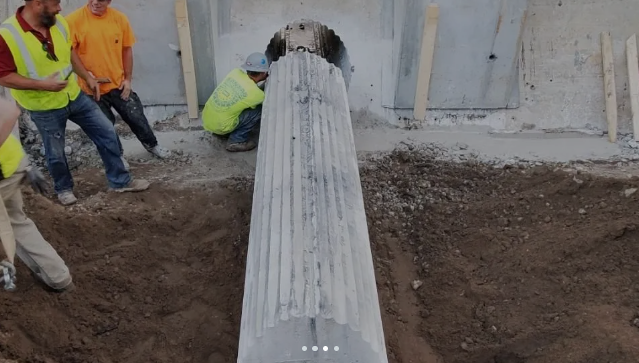
When a building is still in use, every construction decision carries extra weight. Patients in hospital rooms, students in classrooms, and employees at their desks never signed up to deal with jackhammer noise, clouds of dust, or structural uncertainty overhead. That is exactly why concrete core drilling has become the go-to method for contractors and facility managers working in occupied or active buildings. It creates clean, circular openings through concrete slabs, walls, and ceilings with minimal vibration, controlled dust, and no impact damage to surrounding structure. For municipalities, school districts, hospital systems, and commercial property owners across Kansas City, it is not just the safest option. It is often the only responsible one. What Makes Core Drilling Different From Other Cutting Methods? Core drilling removes a cylindrical section of concrete using a diamond-tipped bit mounted on a specialized rig. The bit rotates at high speed and cuts through the material without transferring force into the surrounding slab or wall. There is no pounding, no chipping, and no cracking radiating outward from the cut zone. Compare that to jackhammers or impact tools, which work by breaking concrete through repeated force. That force does not stay in one place. It moves through the structure, rattles adjacent surfaces, and can weaken connections you cannot even see. In a building where people are working or receiving care, that kind of vibration is not acceptable. Other concrete sawing methods like flat sawing or wall sawing are excellent for specific applications, but they require more space, produce more surface disruption, and are harder to deploy inside tight or sensitive interior environments. Core drilling fits where other methods simply cannot. How Does Core Drilling Protect Building Occupants? This is where the method earns its reputation in occupied settings. The protection comes from three main factors working together. Dust control through wet drilling. Diamond core bits are used with a continuous water feed that cools the bit and captures concrete particles as slurry before they become airborne. This directly addresses one of the most serious health risks in concrete work: crystalline silica. When silica dust gets into the air, it is invisible and dangerous. Wet drilling keeps it contained at the source. Our team follows OSHA silica standards on every job, and the wet drilling process is central to that compliance. Low vibration output. Because the bit cuts by rotation rather than impact, the surrounding structure absorbs almost nothing. This matters enormously in hospitals where sensitive medical equipment is in use, or in schools where structural movement could affect adjacent classrooms. No collateral damage to finishes. A core drill produces a clean, round hole with smooth edges. There is no spalling, no cracking, and no need to patch the surrounding surface. That means less mess, fewer follow-up trades needed, and faster project completion without visible evidence of the work in adjacent spaces. What Happens Before the First Drill Even Starts? One of the most overlooked parts of safe core drilling in occupied buildings is what happens before any equipment is turned on. Drilling blind into a concrete slab is one of the most avoidable mistakes in construction, and yet it still causes costly project delays and structural incidents every year. At KC Coring, every occupied-building project begins with a Ground Penetrating Radar (GPR) scan . GPR sends electromagnetic pulses into the concrete and maps what is inside: rebar, post-tension cables, conduit, plumbing lines, and electrical runs. The results show up as real-time images on a high-performance tablet right on the job site, giving our technicians a clear picture of exactly where it is safe to drill. This step is non-negotiable in hospitals and schools. Post-tension cables, in particular, are under enormous stress. Cutting one without knowing it is there can cause immediate structural failure. GPR eliminates that risk entirely by giving the team a verified map before anyone picks up a drill. Is Core Drilling Practical for Large-Scale Facility Work? Contractors sometimes assume core drilling is only for small, one-off penetrations. That assumption leaves a lot of capability on the table. Core drilling can produce holes ranging from a quarter inch all the way up to 66 inches in diameter. It works horizontally, vertically, at angles, above ground, below ground, and even underwater. For large mechanical or HVAC penetrations in a hospital retrofit, that range of capability is exactly what the job demands. In Kansas City, we regularly work on active facilities where multiple penetrations are needed across different floors and zones. Our scheduling team coordinates directly with facility managers to sequence the work around patient care hours, class schedules, or business operations. The goal is always to complete the work with zero disruption to the people inside the building. For municipalities managing infrastructure upgrades across occupied public buildings, this level of coordination is what separates a professional concrete cutting contractor from a general crew with a drill. Common Mistakes Contractors Should Avoid in Occupied-Building Core Drilling Even experienced teams make errors when the environment adds pressure. Here are the pitfalls worth knowing before the project starts. Skipping the GPR scan to save time. It seems like a shortcut until you hit a post-tension cable or live conduit. The scan takes a fraction of the time a repair or incident report would require. Do not skip it. Using the wrong bit diameter. Undersizing a core hole because it looks close enough creates problems for the trades that follow. Plumbers and electricians need the specified clearance to do their work correctly. Always confirm the exact diameter with the mechanical or electrical drawings before drilling. Ignoring slurry management. Wet drilling controls dust, but the slurry it produces still needs to be collected and removed properly. Letting slurry run across finished floors, into elevator pits, or down to lower levels creates a separate mess and potential liability. Proper containment barriers and slurry vacuums are part of a professional setup. Underestimating noise in sensitive zones. Core drilling is quieter than demolition, but it is not silent. In an occupied hospital or school, even moderate equipment noise can affect patient recovery or concentration. Coordinating drill times with facility staff is not optional. It is part of the job plan. Why Kansas City Contractors Trust KC Coring for Occupied Facilities
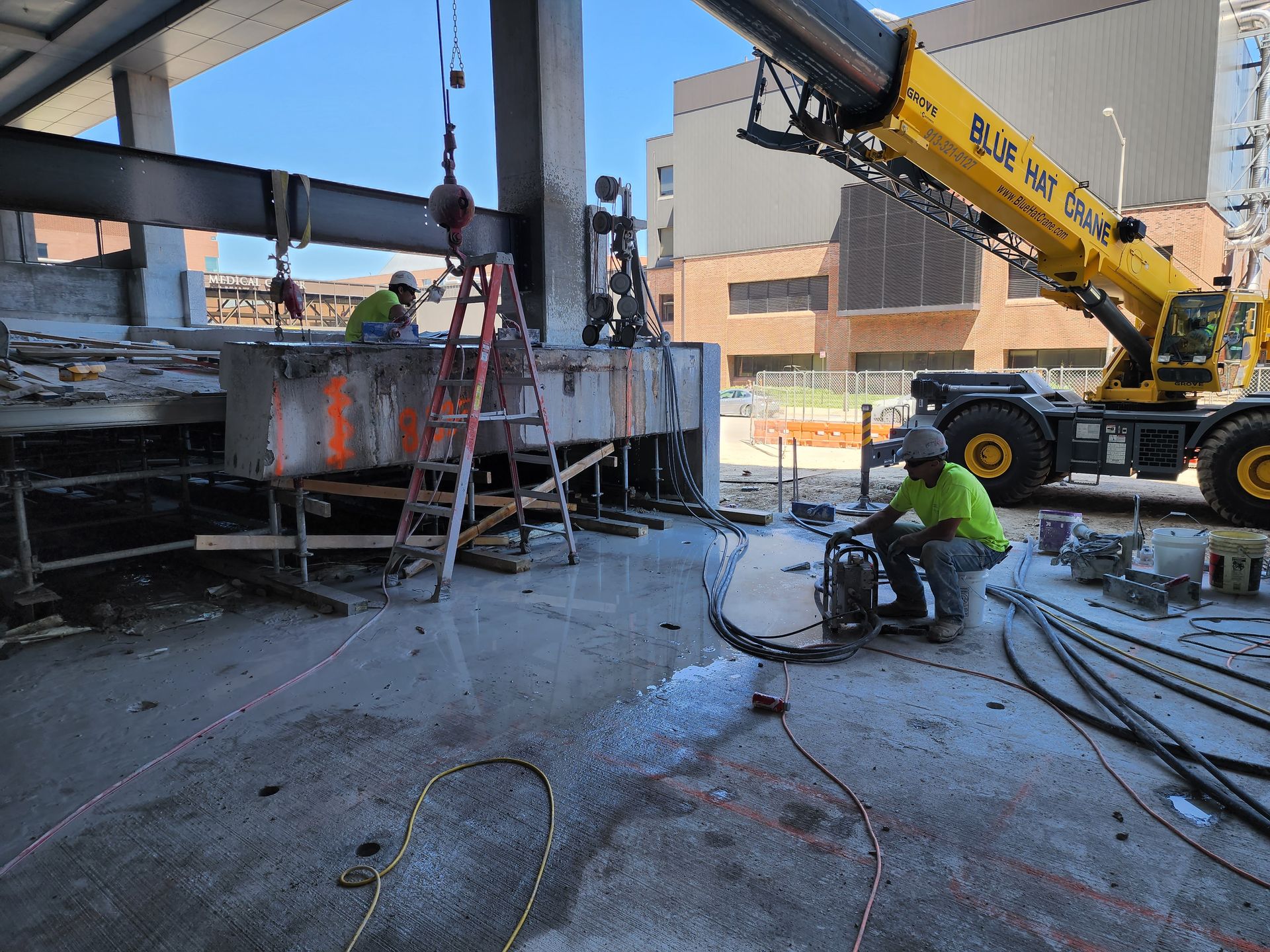
Construction across Missouri and Kansas is evolving rapidly. What once relied on handheld saws and basic equipment now requires engineering precision, strict safety compliance, and advanced technology. As cities continue to expand and infrastructure projects increase, structural modifications demand far more than simply cutting through concrete. Today’s environments require careful planning and controlled execution to ensure that every adjustment supports the integrity of the surrounding structure. Project managers, engineers, and facility operators now expect processes that protect both the building and the people inside it while maintaining uninterrupted operations. Older cutting methods often produced heavy dust, excessive vibration, and inconsistent results, creating risks for workers and nearby occupants. Modern standards now focus on solving these challenges through technology-driven practices that prioritize environmental protection, structural accuracy, and operational safety. The Industry Challenge For Dust, Noise, and Structural Risk Concrete cutting traditionally produced significant airborne particles. These fine particles contain crystalline silica, a material known to pose serious respiratory risks when inhaled. Construction sites historically struggled to contain this dust, especially in enclosed environments. Noise and vibration have also been persistent issues. Conventional demolition tools transfer force throughout surrounding structures, increasing the possibility of cracking or weakening nearby surfaces. In occupied buildings, excessive sound levels can interrupt business operations or create safety concerns for occupants. Another major challenge involves hidden infrastructure inside concrete. Reinforcing steel, electrical conduits, plumbing systems, and post-tension cables often run through slabs and walls . Cutting blindly risks damaging these components, potentially causing structural hazards or costly project delays. These issues created the need for new operational standards capable of addressing environmental safety, precision, and structural protection simultaneously. Modern Dust Control Solutions One of the most visible improvements in current concrete cutting technology is the near elimination of airborne debris. Job sites now prioritize air quality through sophisticated equipment designed to capture particles immediately when they form. Integrated Dust Extraction Technology Modern cutting equipment incorporates vacuum shrouds built directly into the tool housing. Instead of attaching external accessories, the entire system is engineered to pull particles directly from the blade contact point. Industrial-grade HEPA filtration units connect to these saws, capturing extremely small particles before they enter the air. These filters are capable of trapping particles measuring only fractions of a micron, ensuring that hazardous materials remain contained. This approach has transformed indoor concrete work. Commercial spaces such as office basements, mechanical rooms, and underground corridors can now undergo structural modifications without contaminating surrounding environments. Wet-Cutting Advances Water-assisted cutting has been used in concrete work for many years, but modern technology has significantly improved how the process is controlled and managed. Today’s equipment focuses on precision water flow and proper slurry containment, allowing contractors to maintain cleaner job sites while protecting surrounding structures. These improvements help reduce airborne particles while ensuring that moisture does not spread beyond the work area. Improved water flow control: Modern cutting systems regulate water distribution to keep blades cool and reduce dust more effectively. Advanced slurry management: Contractors use slurry vacuums and containment barriers to capture excess water and debris. Protection for surrounding surfaces: Proper runoff control prevents water from spreading across floors or leaking into lower levels. Cleaner and safer work environments: Efficient slurry handling maintains dust suppression while protecting finished areas of a building.
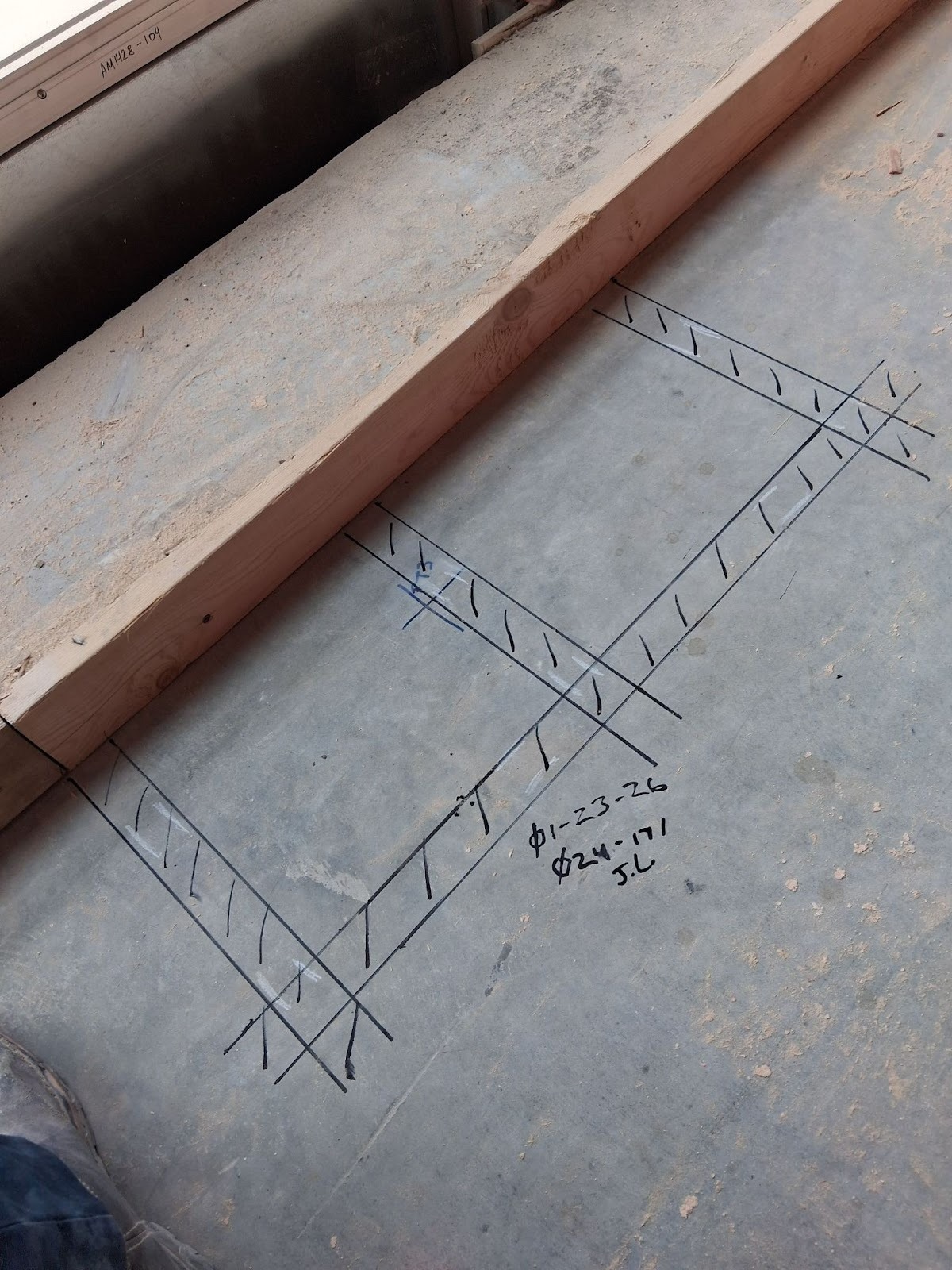
How Ground Penetrating Radar (GPR) Improves Concrete Cutting Safety & Accuracy
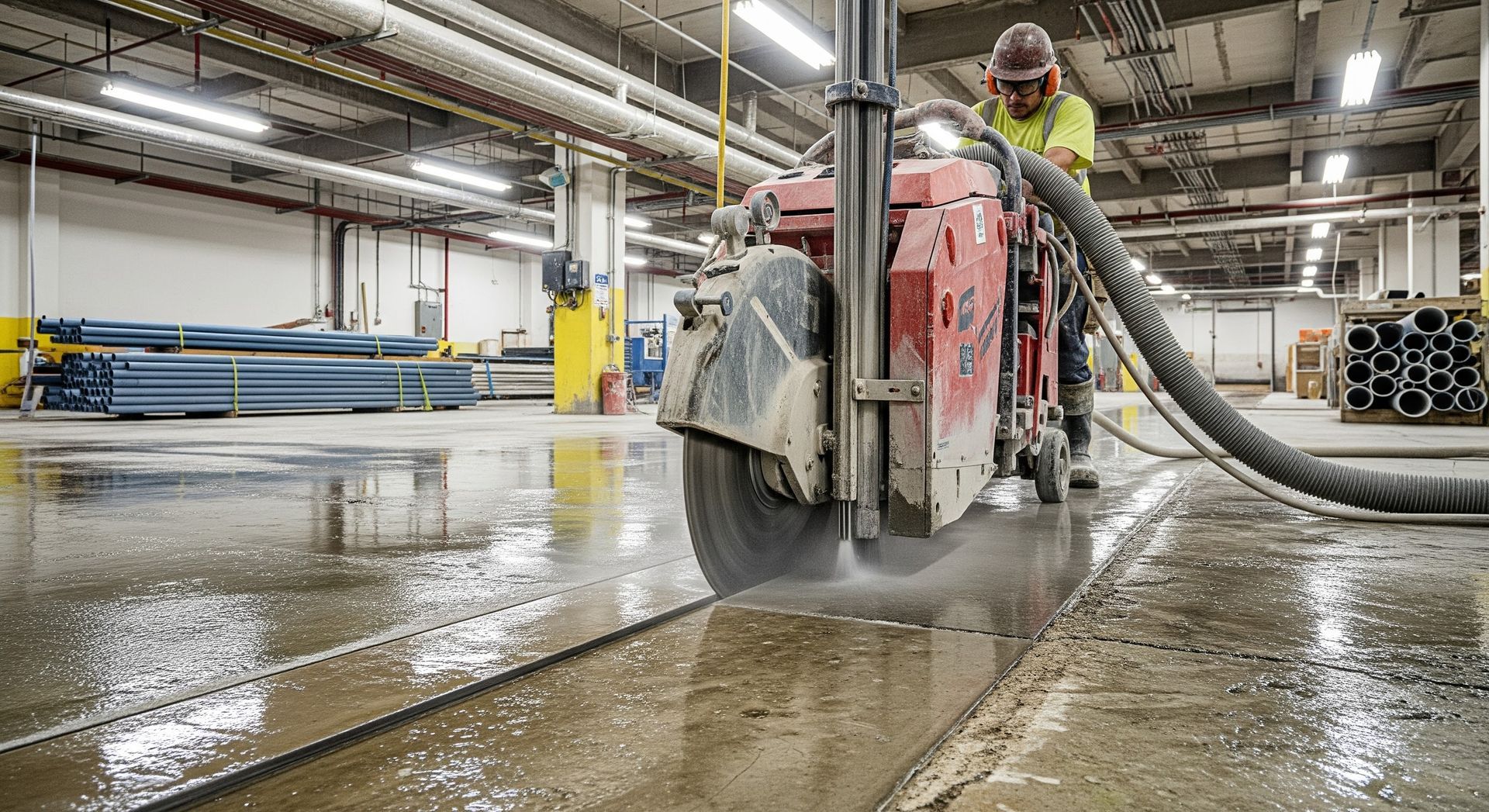
The Role of Slab Sawing in Concrete Floor Drainage Corrections
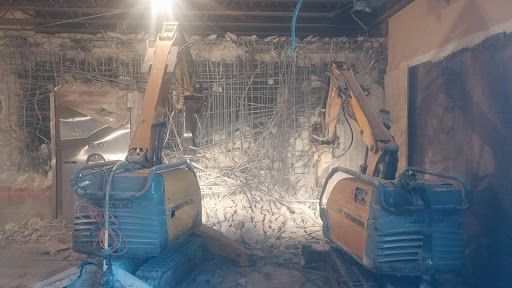
What Brokk Demolition Is and Why It Is Safer Than Traditional Methods